
Research The Market
Start with the market overview Page and explore market by sectors.
Genesis Risk Monitor gives analysts one research environment for market research, financial statements, company filings, earnings calendars, earnings estimates, and analyst estimates without splitting the process across multiple tools.
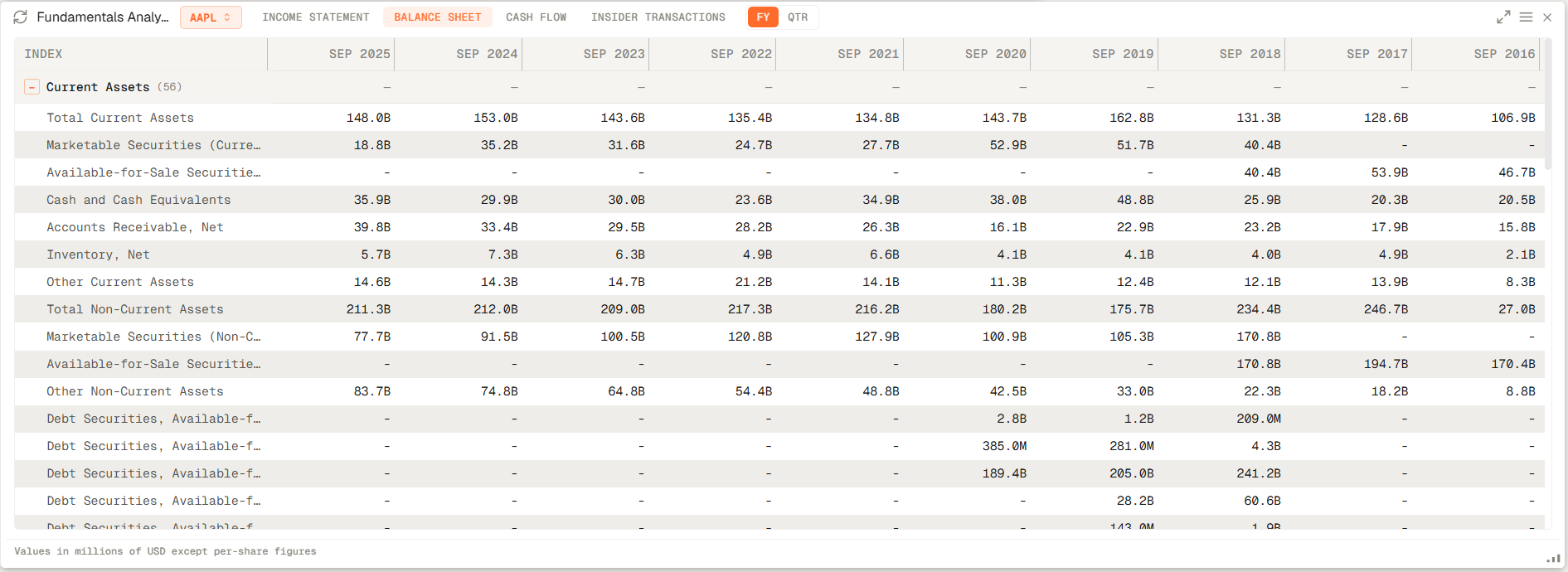
The fundamentals and research layer supports workflows that start with a market question and move directly into company-level research, financial statements, and filings. That makes market research actionable instead of forcing analysts to stitch the evidence together across separate tabs.
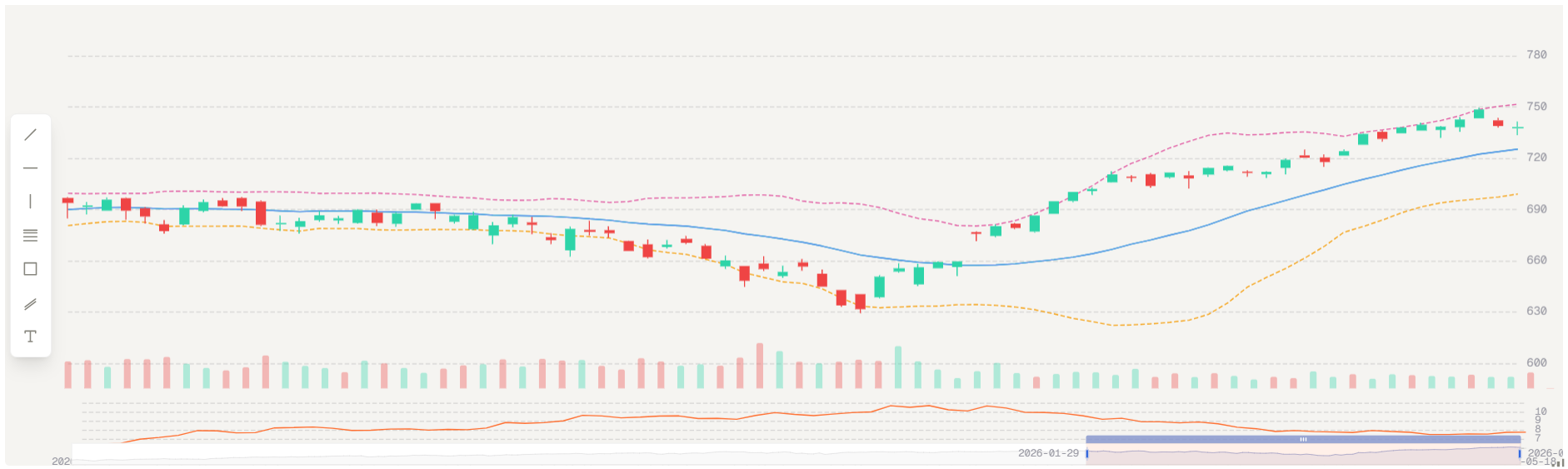
A modern research workflow has to connect what the company reports with what the market expects. Genesis Risk Monitor gives analysts a workspace where earnings calendars, earnings estimates, and analyst estimates sit together inside the broader research view.
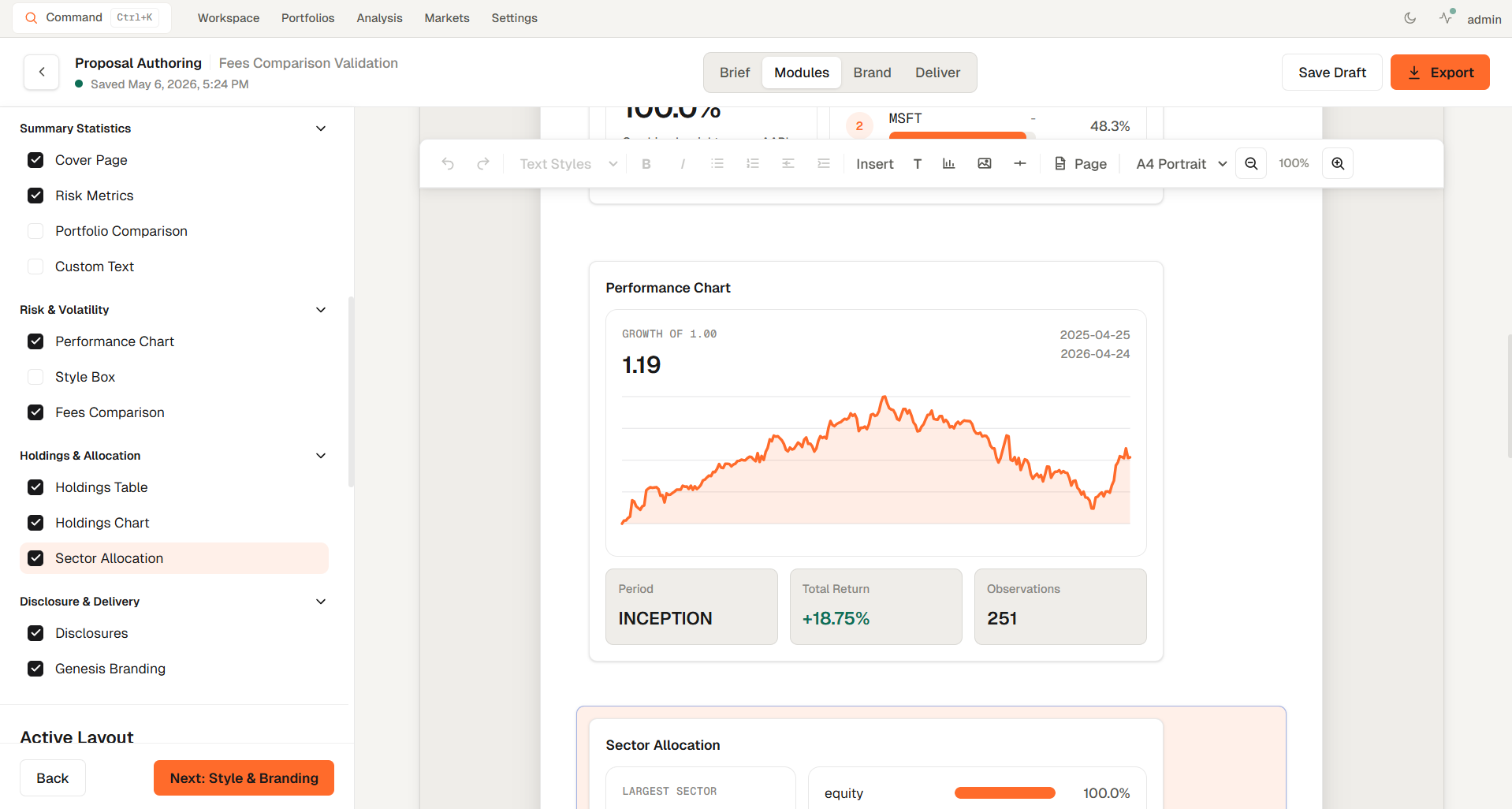
The best research process is cumulative. It starts with the market frame, moves through statements and filings, and ends with earnings context and estimates in a form the rest of the team can actually use.
Start with the market overview Page and explore market by sectors.
Move into financial statements and company filings.
Use earnings calendars to frame what matters around each report.
Layer earnings estimates and analyst estimates into the final research view before sharing output.
These are the questions analysts usually ask when comparing research workflows for statements, filings, earnings calendars, and estimates.
Financial statement analysis is the process of reviewing income statements, balance sheets, cash flow statements, and related ratios to understand a company’s profitability, quality, liquidity, and operating direction. See how statement analysis feeds valuation work.
An earnings calendar helps research teams prioritize which companies are about to report so they can review filings, estimates, and management commentary before the event instead of reacting after it.
The research process is faster and more reliable when reported numbers, management commentary, and market expectations live in one workspace because analysts can move from evidence to interpretation without losing context.
Yes. Genesis Risk Monitor is designed so analysts can begin with broad market research, then move directly into company financial statements, filings, transcripts, and earnings context inside the same workflow.
Explore practical guides on financial statement analysis, issuer research workflows, and valuation.
Step-by-step DCF valuation guide: calculate Free Cash Flow, WACC, and Terminal Value to determine intrinsic value. Includes LaTeX formulas, WACC component tables, sensitivity analysis, and how Genesis Risk Monitor automates the full model. Grounded in Damodaran, Graham, and Buffett frameworks.
Step-by-step guide to building custom financial dashboards in Genesis Risk Monitor. Create multi-page workspaces with 20+ drag-and-drop widgets — VaR calculators, real-time market heatmaps, macro indicators, and more.
Introducing Genesis Risk Monitor — the portfolio risk analytics platform with real-time streaming quotes, backtesting, scenario analysis, exposure and many more analytic widgets.
Start with a platform that supports market research, financial statements, filings, earnings calendars, earnings estimates, and analyst estimates inside one research environment.