Cloud-Native Portfolio Risk and Volatility Analytics Software
Dedicated infrastructure for your team, built to save time while keeping auditability, version history, and advanced analytics in one enterprise platform.
Give your team a dedicated environment for portfolio risk, volatility analytics, and operational control so less time goes to infrastructure and manual process overhead.
Save time across enterprise workflowsDedicated infrastructure for your teamAudit trail and version historyAdvanced analytics tools
Enterprise Platform
Built for enterprise teams that need infrastructure, controls, and analytical depth.
Save Time
Reduce manual coordination and move faster across the team.
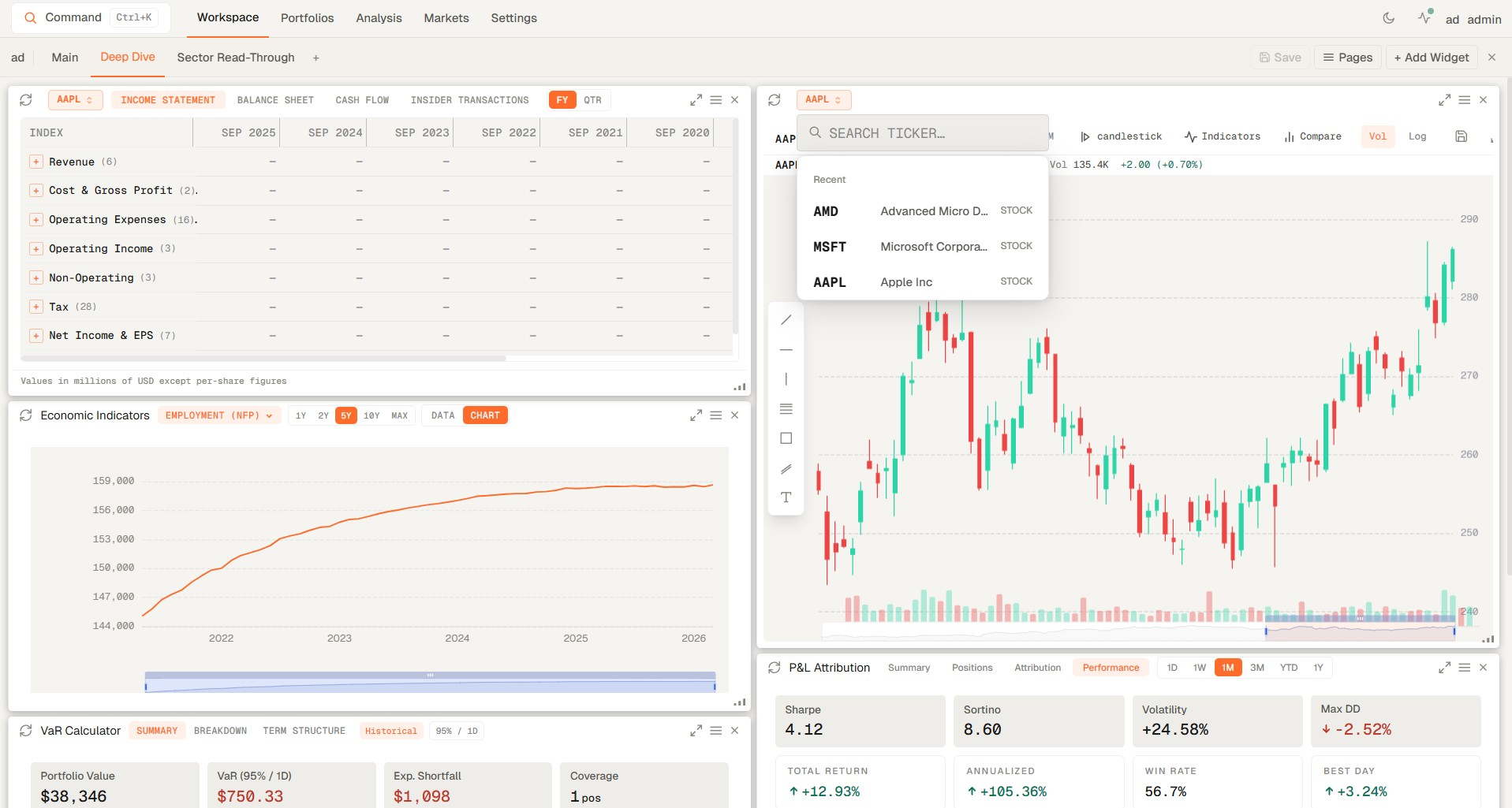
Centralize portfolio risk, volatility analytics, reporting context, and team workflows so enterprise users spend less time stitching processes together and more time making decisions.
Dedicated Infrastructure
Get infrastructure dedicated only to you and your team.
Run Genesis Risk Monitor on dedicated enterprise infrastructure so your team gets an environment built around its own operational, performance, and control requirements.
Controls And Tools
Keep audit trail, version history, and advanced analytics in one platform.
Use enterprise tools built around audit trail, version history, and advanced analytics so teams can review changes, preserve accountability, and run deeper portfolio risk and volatility workflows without sacrificing control.
Workflow
A repeatable sequence from data to decision.
Genesis Risk Monitor works best when every review starts from consistent inputs, moves through clear analytics, and ends in a format the user can revisit.
01
Deploy Dedicated Infrastructure
Start with a cloud-native environment provisioned for your team and its operational requirements.
02
Standardize Team Workflows
Use shared dashboards, version history, and audit trail to keep enterprise review processes consistent.
03
Run Advanced Analytics
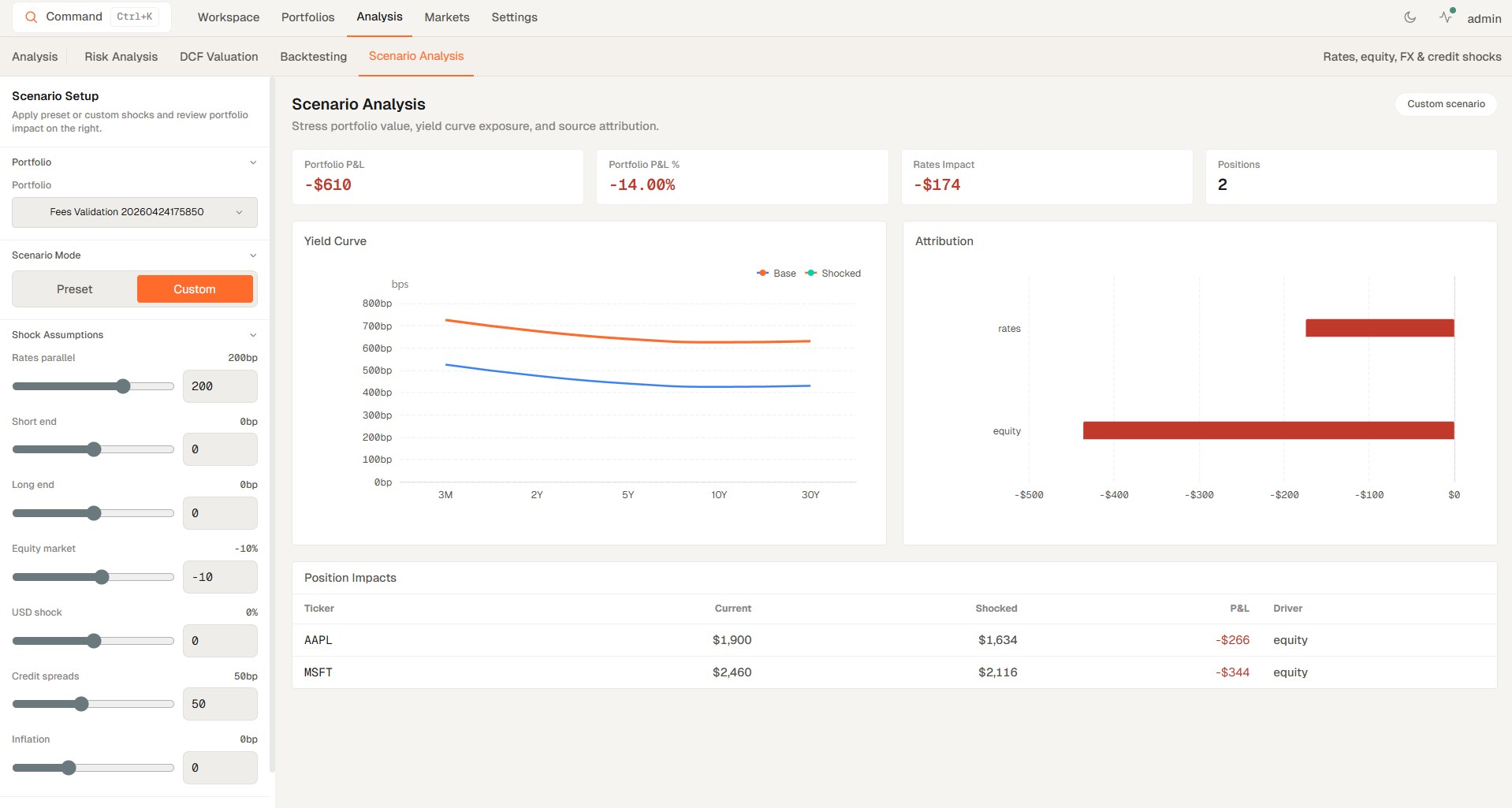
Apply portfolio risk, volatility analytics, scenario analysis, and deeper enterprise tooling inside one controlled platform.
04
Save Time At Scale
Reduce manual overhead by turning recurring enterprise review and reporting into repeatable workflows.
FAQ
Common questions from enterprise teams evaluating risk analytics platforms.
These are the practical questions enterprise teams ask when comparing risk analytics platforms, dashboards, and portfolio control workflows.
Portfolio risk management software helps firms measure, monitor, and communicate portfolio risk using structured analytics such as VaR, stress testing, exposure review, drawdown analysis, and repeatable dashboards.
What is a risk analytics platform used for?
A risk analytics platform is used to turn holdings and market data into a consistent decision workflow so teams can review risk, test scenarios, document changes, and support investment governance more efficiently.
Why does a risk management dashboard matter for enterprise teams?
A risk management dashboard matters because it gives teams a shared operating view of exposures, scenarios, alerts, and review outputs instead of leaving each analyst to reconstruct the same picture independently.
Can Genesis Risk Monitor support auditability and version-aware workflows?
Yes. The enterprise positioning of Genesis Risk Monitor centers on dedicated infrastructure, repeatable workflows, and controls such as audit trail and version history so teams can preserve accountability while scaling analysis.
Research Links
Related reading for enterprise risk platforms, dashboards, and portfolio controls.
Explore practical guides on enterprise risk platforms, scenario workflows, and portfolio controls.
Learn what a portfolio risk analytics platform does, which capabilities matter, and how to evaluate data quality, VaR, Expected Shortfall, factor exposure, stress testing, monitoring, and reporting.
What is scenario analysis? Learn how scenario analysis works in finance, how to build one in Excel, and how professional investors use it to quantify downside risk across bull, base, and bear cases.
The complete guide to fixed income risk analytics: Duration, Modified Duration, DV01, Convexity, Yield Curve Risk, Credit Spread Risk, and Fixed Income VaR. Understand the tools that bond portfolio managers, fixed income analysts, and risk managers use to quantify, stress-test, and manage interest rate and credit risk.
Get Access
Give your team cloud-native risk analytics on dedicated infrastructure.
Talk with us about enterprise deployment, auditability, version history, and advanced analytics workflows built for your team.